In the sweltering heat of sub-Saharan Africa, where temperatures often soar above 40°C (104°F), a revolutionary cooling solution has emerged—one inspired by the humble termite mound. Architects and engineers, drawing lessons from nature, have developed zero-energy air conditioning systems for schools, offering a sustainable alternative to conventional cooling methods. This innovation not only addresses the urgent need for comfortable learning environments but also highlights the potential of biomimicry in solving modern challenges.
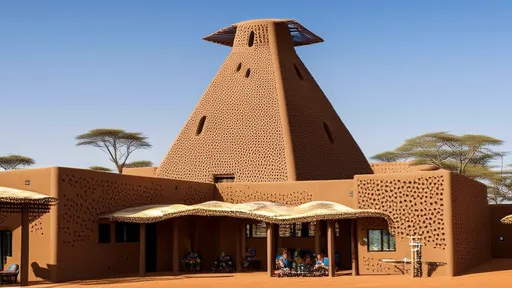
The concept borrows from the intricate ventilation systems of termite mounds, which maintain a stable internal temperature despite extreme external conditions. Termites achieve this through a network of tunnels and vents that facilitate passive airflow, regulating humidity and temperature. By mimicking these natural structures, designers have created buildings that stay cool without relying on electricity-intensive air conditioning units.
How It Works
The zero-energy cooling system relies on carefully designed building structures that promote natural ventilation. Thick, porous walls absorb heat during the day and release it at night, while strategically placed vents and chimneys create a stack effect—drawing hot air upward and out of the building. Cooler air is pulled in from shaded areas or underground ducts, maintaining a comfortable indoor climate. This approach is particularly effective in regions with large diurnal temperature swings, where nights are significantly cooler than days.
One notable example is the Eastgate Centre in Zimbabwe, a shopping mall and office complex that uses passive cooling inspired by termite mounds. The building consumes 90% less energy for ventilation than conventional structures of its size. Similarly, schools in Burkina Faso and Mali have adopted these principles, providing students with a conducive learning environment without the prohibitive costs of electric cooling.
The Impact on Education
In many African countries, extreme heat poses a significant barrier to education. Classrooms without proper ventilation become unbearable, leading to reduced attendance and concentration levels. Traditional air conditioning is often impractical due to high costs, unreliable electricity, and maintenance challenges. The zero-energy alternative offers a viable solution, enabling schools to operate comfortably even in the harshest climates.
Teachers and students in pilot schools have reported dramatic improvements. "Before, the heat made it impossible to focus," says a teacher from a school in Niger. "Now, the classrooms are cool, and the children can learn without distraction." The system’s simplicity also means it can be replicated in remote areas with limited resources, democratizing access to comfortable educational spaces.
Challenges and Future Prospects
Despite its promise, the widespread adoption of termite-inspired cooling faces hurdles. Local builders and architects must be trained in these techniques, and communities need to be convinced of their effectiveness. Additionally, while the systems excel in dry climates, adapting them to humid regions requires further innovation.
However, the potential benefits are immense. As climate change intensifies, passive cooling solutions could reduce reliance on energy-hungry air conditioners, cutting carbon emissions and easing pressure on fragile power grids. Researchers are now exploring ways to integrate these designs with other sustainable technologies, such as solar panels and rainwater harvesting, creating holistic solutions for resilient buildings.
The success of these projects underscores a broader lesson: sometimes, the best answers to our most pressing problems lie in the natural world. By studying termites, architects have unlocked a blueprint for sustainable living—one that could transform not just schools, but entire communities across the globe.

By /Aug 12, 2025

By /Aug 12, 2025

By /Aug 12, 2025

By /Aug 12, 2025

By /Aug 12, 2025

By /Aug 12, 2025

By /Aug 12, 2025
By /Aug 12, 2025

By /Aug 12, 2025

By /Aug 12, 2025

By /Aug 12, 2025

By /Aug 12, 2025

By /Aug 12, 2025
By /Aug 12, 2025

By /Aug 12, 2025

By /Aug 12, 2025
By /Aug 12, 2025

By /Aug 12, 2025

By /Aug 12, 2025

By /Aug 12, 2025