The calming effect of aquariums has long been observed in various settings, from doctors' waiting rooms to corporate offices. However, its potential application in dental clinics to alleviate patient anxiety remains an underexplored area with significant promise. Dental anxiety affects a substantial portion of the population, creating barriers to routine care and leading to worsened oral health outcomes. The integration of aquarium therapy into dental environments presents an innovative, drug-free approach to managing this pervasive issue.
The Science Behind Water's Soothing Power
Human beings possess an innate biological connection to water known as "blue mind" theory. Neuroscientific research reveals that observing aquatic environments triggers measurable changes in brain activity, increasing alpha wave production associated with relaxed awareness while decreasing beta waves linked to stress. The rhythmic movement of fish, gentle bubbling sounds, and shimmering light refraction patterns create a multisensory experience that lowers cortisol levels by up to 30% according to University of Exeter studies. This physiological response makes aquarium viewing particularly effective for dental settings where patients often experience fight-or-flight reactions to clinical stimuli.
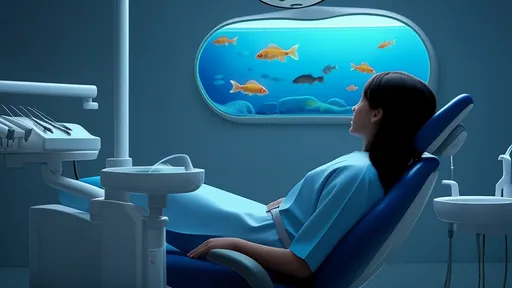
Dental professionals report that patients seated near aquariums demonstrate reduced fidgeting, slower breathing rates, and decreased white-knuckle gripping of chair armrests. The visual distraction provided by tropical fish disrupts the negative thought loops that characterize dental phobia. Unlike television screens which can overstimulate, the aquarium's dynamic stillness holds attention without demanding cognitive processing - a crucial distinction for anxiety management.
Designing Therapeutic Aquatic Environments
Not all aquariums yield equal therapeutic benefits. Clinical studies from the National Marine Aquarium indicate that larger tanks (minimum 200 liters) containing colorful reef fish species like clownfish or cardinalfish produce more significant stress reduction than small desktop arrangements. The ideal dental aquarium should be positioned at eye level for seated patients, with dimensions allowing panoramic viewing without requiring head movement. LED lighting systems that mimic natural daylight cycles enhance the biological effect while reducing algae growth maintenance.
Saltwater systems, though more complex to maintain, offer superior visual interest through coral formations and diverse marine species. However, modern freshwater aquascaping techniques can create equally compelling underwater landscapes using driftwood and live plants. The key lies in creating depth perception through strategic placement of foreground, midground, and background elements that give the illusion of an expansive underwater world.
Operational Considerations for Dental Practices
Successful implementation requires addressing practical concerns. Acrylic tanks outperform glass in clinical environments due to superior impact resistance and lighter weight. Sound-dampening cabinet designs prevent filtration noise from becoming distracting, while concealed equipment maintains the illusion of a natural ecosystem. Many forward-thinking dental offices now employ professional aquarium maintenance services that handle monthly cleaning, water testing, and livestock health checks - ensuring optimal presentation without burdening staff.
The financial investment ranges from $2,000-$8,000 for a professionally installed therapeutic aquarium system, with ongoing costs of $100-$300 monthly for maintenance and livestock. While not insignificant, this expense must be weighed against the potential for increased patient retention and case acceptance rates among previously anxious patients. Some practices incorporate the aquarium into their branding, using it as a distinguishing feature in competitive markets.
Beyond Visual Stimulation: Multisensory Integration
Progressive clinics enhance the aquarium effect with complementary sensory interventions. Underwater speakers can pipe calming ocean sounds through the treatment room, synchronized to the visual experience. Some practitioners introduce subtle marine scent diffusers using non-allergenic essential oils like ocean breeze or cucumber (shown to reduce anxiety by 40% in Japanese studies). Tactile elements include offering patients stress balls shaped like sea creatures during procedures.
The most advanced implementations use virtual reality headsets to create immersive underwater experiences during longer procedures. When combined with nitrous oxide analgesia, this multimodal approach has enabled some phobic patients to undergo root canals or extractions without oral sedation - a previously unthinkable outcome for this population.
Measuring Clinical Outcomes
Quantitative data supports aquarium therapy's efficacy. A 2023 study published in the Journal of Dental Anxiety tracked 142 patients across six practices, showing a 58% reduction in self-reported anxiety scores when aquariums were present versus control groups. Physiological markers including pulse rate and blood pressure showed corresponding improvements. Notably, pediatric patients demonstrated the most dramatic responses, with 72% showing decreased resistance to sitting in the dental chair when fish tanks were visible.
Longitudinal benefits emerge through conditioning effects. Patients who associate dental visits with positive aquarium experiences develop less anticipatory anxiety before subsequent appointments. This psychological shift enables better adherence to recall schedules and more acceptance of comprehensive treatment plans. Some practices report decreases in last-minute cancellations from anxious patients by as much as 35% after aquarium installation.
Ethical and Ecological Considerations
As the approach gains popularity, responsible implementation becomes paramount. All aquarium species must be ethically sourced from sustainable breeders rather than wild-caught populations. Tank designs should meet or exceed standards set by the Ornamental Aquatic Trade Association regarding space requirements and environmental enrichment. Forward-thinking manufacturers now develop specialized dental aquarium systems with features like automatic feeders for extended unattended operation and UV sterilizers to maintain water clarity between professional cleanings.
The future may see aquarium therapy integrated into dental school curricula as a standard non-pharmacological anxiety management technique. As evidence mounts for its cost-effectiveness and patient satisfaction benefits, what began as an aesthetic office feature is proving to be a legitimate therapeutic tool in modern behavioral dentistry.
By /Aug 12, 2025

By /Aug 12, 2025

By /Aug 12, 2025

By /Aug 12, 2025
By /Aug 12, 2025

By /Aug 12, 2025
By /Aug 12, 2025

By /Aug 12, 2025

By /Aug 12, 2025
By /Aug 12, 2025

By /Aug 12, 2025
By /Aug 12, 2025

By /Aug 12, 2025

By /Aug 12, 2025

By /Aug 12, 2025
By /Aug 12, 2025

By /Aug 12, 2025
By /Aug 12, 2025

By /Aug 12, 2025
By /Aug 12, 2025