Caring for an aging pet presents a unique set of challenges and responsibilities, with nutrition sitting at the very heart of their well-being. As our faithful companions enter their golden years, their bodies undergo significant changes that demand a thoughtful reassessment of their diet. The boundless energy of youth gives way to a more sedate pace, metabolic rates shift, and organ function may not be as robust as it once was. This natural progression means that the calorie-dense food that once fueled their playful antics can become a burden, potentially leading to weight gain and associated health complications. More critically, their ability to process and absorb nutrients efficiently can diminish, making every meal an opportunity to either support their health or strain their system. Therefore, transitioning to a diet specifically formulated for easy digestion and high nutritional value is not merely a considerate choice; it is a fundamental aspect of proactive, loving care that can profoundly impact their quality of life, vitality, and longevity.
The physiological changes in senior pets are multifaceted and directly influence their dietary requirements. A primary concern is the gradual decline in metabolic rate. With reduced activity levels—fewer sprints around the park, less intense play sessions—their energy expenditure drops significantly. Continuing to provide the same quantity of food designed for a more active life stage almost inevitably leads to obesity. Excess weight is particularly detrimental to older animals, exacerbating conditions like arthritis by putting additional stress on already aching joints, and increasing the risk of serious ailments such as diabetes, heart disease, and respiratory difficulties. Furthermore, the aging process affects the digestive system itself. Production of digestive enzymes may decrease, and the intestinal lining can become less efficient at absorbing vital nutrients from food. This means even a high-quality meal might not be fully utilized, leaving the pet malnourished despite a full belly. Dental health is another pivotal factor. Worn teeth, gum disease, and tooth loss are common in older pets, making chewing dry, hard kibble a painful or impossible task. This can lead to a reluctance to eat, further compounding nutritional deficits. Recognizing these interconnected issues is the first step toward crafting a dietary strategy that addresses them holistically.
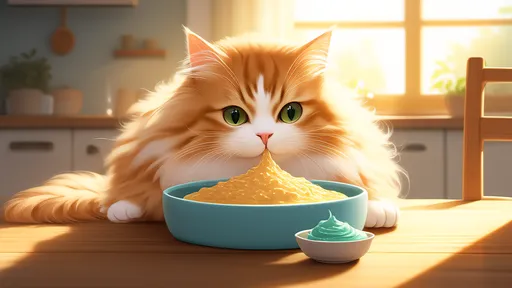
When formulating an easily digestible meal for a senior pet, the goal is to maximize nutrient absorption while minimizing the work required by their digestive system. This begins with selecting highly bioavailable protein sources. Proteins are the building blocks for maintaining muscle mass, which naturally tends to waste away with age (a condition known as sarcopenia). However, the source and quality are paramount. Lean, easily assimilated proteins like deboned chicken, turkey, fish, and eggs are superior choices. They provide essential amino acids without the high-fat content that can be hard on the kidneys and liver. The method of cooking also plays a crucial role; gently boiling or steaming meat is far better than frying, as it avoids adding unnecessary fats and oils that can cause gastrointestinal upset. Carbohydrates, while still a necessary energy source, should be offered in their most digestible forms. Overly complex carbs and fillers like corn, wheat, and soy are notorious for causing gas, bloating, and inefficient digestion. Instead, opt for simple, cooked carbohydrates such as white rice, sweet potato, pumpkin, or oatmeal. These are gentle on the stomach and provide a steady release of energy. The inclusion of fiber is a double-edged sword that must be carefully balanced. A moderate amount of soluble fiber, found in ingredients like canned pumpkin (not pie filling), sweet potato, and certain specially formulated supplements, can be highly beneficial. It helps regulate bowel movements, alleviating both constipation and diarrhea, and can support the growth of healthy gut bacteria. However, too much insoluble fiber, or the wrong kind, can speed up digestion too much and prevent nutrient absorption, so moderation and the right source are key.
Beyond macronutrients, the strategic inclusion of specific supplements can elevate a home-cooked meal from simply adequate to truly therapeutic. Perhaps the most critical supplement for many senior pets is one that supports joint health. Glucosamine and chondroitin are well-known for their ability to help replenish joint cartilage and improve mobility, often providing noticeable relief for pets with arthritis. These can be introduced through supplements or naturally via sources like green-lipped mussel powder. Omega-3 fatty acids, particularly EPA and DHA found in fish oil, are another powerhouse addition. Their potent anti-inflammatory properties not only aid joint health but also promote a healthy skin and coat, and support cognitive function, helping to stave off canine or feline cognitive dysfunction syndrome. For pets with declining kidney function, which is common in old age, adding a phosphorus binder (under veterinary guidance) can be necessary. Probiotics are invaluable for maintaining a healthy balance of gut flora, which is essential for proper digestion and a strong immune system. Prebiotics, which act as food for these beneficial bacteria, often come from the fibrous vegetables mentioned earlier. It is absolutely imperative that any supplement regimen be discussed with a veterinarian, as they can recommend specific brands, dosages based on the pet's weight and condition, and warn against any potential interactions with existing medications.
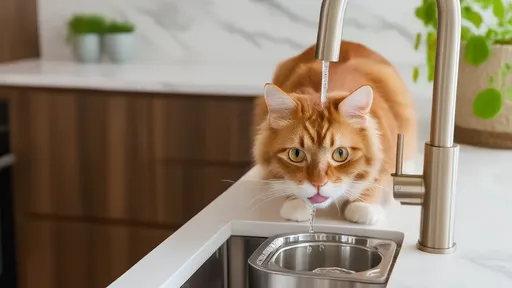
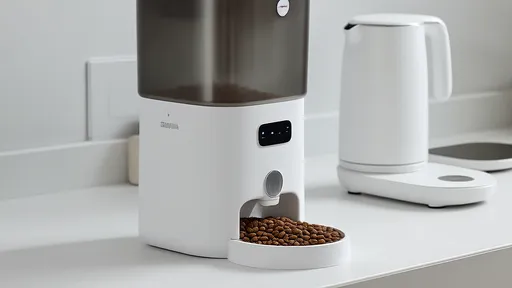
Hydration is a cornerstone of senior pet nutrition that is often overlooked. Older animals are more prone to dehydration for several reasons. Their sense of thirst may diminish, they may drink less due to mobility issues that make trips to the water bowl difficult, or underlying health conditions like kidney disease can increase water loss. Chronic dehydration puts immense strain on the kidneys and can lead to constipation and overall systemic decline. Therefore, actively promoting water intake is crucial. One of the most effective strategies is to significantly increase the moisture content of their food itself. This is where the transition from dry kibble to wet food, gently cooked meals, or a raw diet (handled with extreme care to avoid pathogens) becomes so advantageous. The inherent water in these foods helps meet their daily fluid needs directly. For pets that are particularly resistant to drinking, other tactics can be employed. Adding a small amount of low-sodium chicken or beef broth (onion-free and garlic-free) to their food or water can make it more enticing. Providing multiple fresh water stations around the house, including pet water fountains that offer continuously circulating water, can also encourage them to drink more frequently throughout the day.
Navigating the transition to a new senior diet requires patience and careful observation. A sudden change in food is a common cause of gastrointestinal distress in dogs and cats of any age. For an older pet with a potentially more sensitive system, a gradual transition is non-negotiable. This process should be spread out over at least 7-10 days, slowly increasing the proportion of the new food while decreasing the old. This allows their digestive enzymes and gut bacteria to adapt gradually. Throughout this process and after the transition is complete, close monitoring is essential. Keep a watchful eye on their energy levels, the quality of their stool, the condition of their skin and coat, and their overall enthusiasm for mealtimes. Any signs of vomiting, prolonged diarrhea, loss of appetite, or lethargy should be reported to your veterinarian immediately, as they could indicate that the new diet is not agreeing with your pet or that an underlying issue needs to be addressed.
While crafting meals at home allows for ultimate control over ingredients, it is fraught with potential pitfalls if not done with meticulous care and professional guidance. The largest risk is nutritional imbalance. It is surprisingly easy to create a diet that is deficient or excessive in certain vitamins and minerals, such as calcium, phosphorus, or vitamin D, which can lead to severe health problems over time. This is why consulting with a veterinarian or a board-certified veterinary nutritionist is not just recommended; it is essential. These professionals can help formulate a balanced recipe tailored to your individual pet's needs, breed, weight, and any specific medical conditions. They can also recommend reputable commercial senior diets that are already formulated to be complete and balanced, which can be a safer and more convenient option for many pet owners. The most dangerous mistake is assuming that human nutritional knowledge directly translates to pets; it does not. Foods that are healthy for us, like onions, garlic, grapes, and chocolate, are toxic to dogs and cats. The commitment to a home-cooked diet is significant, requiring a dedication to sourcing quality ingredients, precise preparation, and ongoing nutritional review.
In the end, the journey of nourishing an aging pet is one of the most profound expressions of the bond we share with them. It is a commitment that goes beyond simple sustenance, transforming each meal into an act of love and support for their changing bodies. By prioritizing easy-to-digest ingredients, leveraging the power of targeted supplements, ensuring ample hydration, and, most importantly, partnering with a trusted veterinarian, we can provide our senior companions with the foundational support they need. This thoughtful approach to nutrition empowers them to face their golden years with greater comfort, vitality, and joy, allowing us to reciprocate the unwavering loyalty and affection they have offered us throughout their lives. It is our privilege to ensure their final chapter is written with health and happiness.

By /Aug 20, 2025

By /Aug 20, 2025

By /Aug 20, 2025

By /Aug 20, 2025

By /Aug 20, 2025
By /Aug 20, 2025

By /Aug 20, 2025

By /Aug 20, 2025

By /Aug 20, 2025
By /Aug 20, 2025

By /Aug 20, 2025
By /Aug 20, 2025
By /Aug 20, 2025
By /Aug 20, 2025
By /Aug 20, 2025

By /Aug 20, 2025

By /Aug 20, 2025

By /Aug 20, 2025
By /Aug 20, 2025
By /Aug 20, 2025