As a pet owner, few things are as concerning as noticing your furry companion in discomfort, especially when the issue involves a part of their anatomy we rarely discuss—the anal glands. These small, sac-like structures located on either side of your pet's anus play a surprisingly important role in canine and feline communication and health. While they typically function without issue, problems can and do arise, with impaction being one of the most common and uncomfortable conditions. Understanding how to recognize, manage, and when to seek professional help for anal gland issues is a crucial aspect of responsible pet ownership.
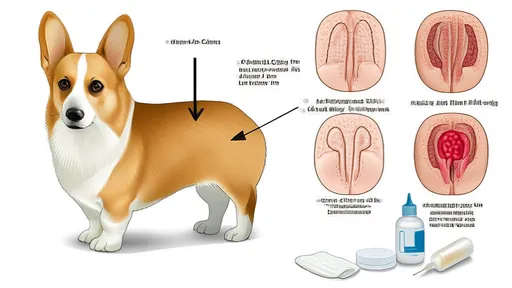
The anal glands, or more accurately, anal sacs, are two small pouches situated at the four and eight o'clock positions around your pet's anus. They produce a foul-smelling, oily secretion that is typically expressed in small amounts during bowel movements. This substance serves as a territorial marker—a calling card that tells other animals who has been there. For our domesticated companions, this ancient form of communication remains a vestige of their wild ancestry. Normally, these glands empty naturally when your pet defecates, but various factors can disrupt this process, leading to uncomfortable impaction.
Recognizing the signs of anal gland trouble requires attentive observation of your pet's behavior. The most common indicator is scooting—that unmistakable dragging of the rear end across your floor or carpet. While sometimes comical to witness, this behavior signals genuine discomfort as your pet attempts to relieve pressure in the anal area. Other signs include excessive licking or biting at the base of the tail or around the anus, obvious pain when sitting or defecating, a fishy or unusually foul odor emanating from your pet's rear, and in some cases, visible swelling around the anal area. Some pets may become generally irritable or withdrawn when experiencing this discomfort.
Several factors can contribute to anal gland impaction. Diet plays a significant role—pets consuming low-fiber foods often produce softer stools that don't provide adequate pressure on the glands during elimination. Chronic soft stools or diarrhea can be particularly problematic. Obesity is another contributing factor, as excess body fat can physically impede the natural expression mechanism. Some breeds, particularly small dogs like Chihuahuas, Toy Poodles, and Cocker Spaniels, seem genetically predisposed to anal gland issues. Less commonly, allergies, skin conditions, or anatomical abnormalities can lead to recurring problems.
For mild cases of anal gland discomfort, several home remedies may provide relief. Increasing dietary fiber can often help create bulkier stools that naturally express the glands during defecation. Canned pumpkin (not pumpkin pie filling), wheat bran, or specially formulated high-fiber pet foods can be effective additions to your pet's diet. Warm compresses applied gently to the affected area for 5-10 minutes several times daily may help soften the impacted material and provide comfort. Some pet owners find that regular exercise helps maintain healthy bowel function and gland expression. Additionally, maintaining a healthy weight through proper diet and exercise reduces pressure on the anal area.
While home care can be effective for mild cases, there are clear situations that demand professional veterinary attention. If your pet shows signs of significant pain—yelping when touched near the tail, refusing to sit, or showing aggression when the area is approached—this indicates the problem has progressed beyond simple home management. Visible bleeding from the anal area, whether from the gland itself or from your pet's excessive licking and chewing, requires immediate assessment. The development of a visible abscess—a red, hot, swollen area near the anus—signals infection that will likely need medical drainage and antibiotics.
Perhaps the most serious complication of untreated anal gland impaction is abscess formation and rupture. What begins as a simple blockage can progress to infection as bacteria multiply in the stagnant gland material. This creates a painful abscess that may eventually rupture through the skin, creating an open wound that is painful, messy, and prone to further infection. Ruptured anal gland abscesses often require surgical intervention, including flushing the tract, possible placement of a drain, and a course of antibiotics. The recovery process can be uncomfortable for your pet and may involve cone-wearing to prevent licking and repeated veterinary visits for wound care.
When home care isn't sufficient, your veterinarian has several treatment options available. For simple impactions, manual expression performed by a professional can provide immediate relief. This procedure involves gently squeezing the glands to empty the built-up material. If infection is present, your vet may prescribe antibiotics to address the bacterial component and possibly anti-inflammatory medications to reduce swelling and discomfort. In cases of abscess, your vet may need to lance and flush the affected gland under sedation or anesthesia. For pets with chronic, recurrent anal gland issues, your veterinarian might discuss surgical options, including complete removal of the glands—a procedure known as anal sacculectomy.
Prevention is always preferable to treatment when it comes to anal gland health. Maintaining an appropriate body weight through measured feeding and regular exercise reduces pressure on the anal area. A high-quality diet with adequate fiber promotes the formation of firm stools that naturally express the glands during defecation. Some pets benefit from regular grooming that includes checking the anal area for early signs of trouble. For breeds prone to anal gland issues, some veterinarians recommend regular professional expression every 4-6 weeks as a preventive measure, though this should only be done when necessary to avoid creating dependency on manual emptying.
While anal gland issues might seem like a minor inconvenience, they can significantly impact your pet's quality of life when left unaddressed. The discomfort can affect everything from their mobility to their temperament. By understanding the signs of trouble, implementing appropriate home care when warranted, and recognizing when professional help is needed, you can help your companion avoid unnecessary suffering. Remember that your veterinarian is your best resource for both treatment and prevention strategies tailored to your individual pet's needs. With proper attention and care, most pets with anal gland issues can enjoy complete comfort and relief from this uncomfortable condition.

By /Aug 20, 2025
By /Aug 20, 2025
By /Aug 20, 2025

By /Aug 20, 2025
By /Aug 20, 2025
By /Aug 20, 2025

By /Aug 20, 2025
By /Aug 20, 2025
By /Aug 20, 2025
By /Aug 20, 2025
By /Aug 20, 2025

By /Aug 20, 2025
By /Aug 20, 2025
By /Aug 20, 2025
By /Aug 20, 2025
By /Aug 20, 2025
By /Aug 20, 2025
By /Aug 20, 2025
By /Aug 20, 2025
By /Aug 20, 2025