As the morning sun filters through the window, casting a warm glow on the floor where your furry companion stretches, you notice something troubling—a fine layer of fur dusting the hardwood like freshly fallen snow. This silent snowfall signals more than just seasonal shedding; it speaks to the complex architecture of your pet's coat and the often misunderstood art of maintaining it. For those sharing their lives with double-coated breeds, from the majestic Siberian Husky to the fluffy Pomeranian, proper grooming transcends mere aesthetics—it becomes a fundamental aspect of their health and comfort.
The double coat, a marvel of natural engineering, consists of two distinct layers working in harmonious tandem. The dense, wooly undercoat acts as nature's insulation system, trapping air close to the skin to regulate body temperature against both winter's bite and summer's blaze. This soft underlayer undergoes dramatic seasonal changes, exploding into clouds of loose fur during shedding seasons as it prepares for temperature shifts. Protecting this delicate underlayer stands the guard hair coat—longer, coarser hairs that repel moisture, block UV radiation, and shield against environmental debris. Together, these layers create a sophisticated climate control system that has evolved over centuries, yet this brilliant design comes with maintenance requirements that many pet owners struggle to properly address.
When grooming tools remain idle in the drawer, the consequences extend far beyond a few stray hairs on furniture. Matting begins its insidious work, starting as small tangles that quickly escalate into painful pelts pulling at tender skin. These tight knots create pressure points that restrict movement and circulation, often hiding beneath surface layers where they go unnoticed until groomers must shave them out. Meanwhile, the compacted undercoat forms an impenetrable barrier that disrupts the very temperature regulation it was designed to provide, leaving dogs vulnerable to overheating in summer and unable to properly insulate in winter. The skin beneath becomes a breeding ground for moisture, bacteria, and parasites, while natural oils distribute unevenly, leading to dry, flaky patches and greasy clumps in alternating patterns.
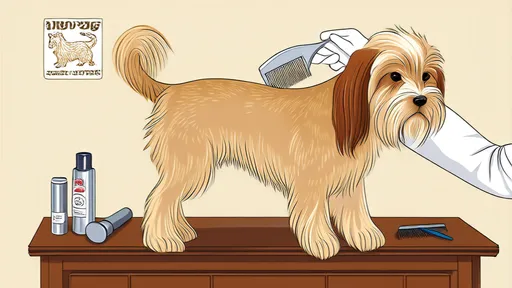
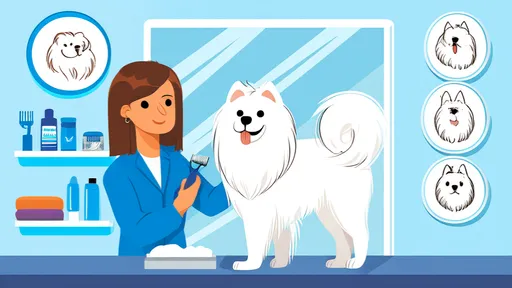
Selecting appropriate tools represents the first critical step in any effective grooming regimen, yet the overwhelming array of options leaves many owners grasping at random purchases. The slicker brush, with its fine, bent wires mounted on a flexible pad, serves as the workhorse for most double-coated breeds. Its design allows it to glide through topcoat while catching loose undercoat without excessive pulling, making it ideal for regular maintenance sessions. For heavier shedding periods, the undercoat rake emerges as an indispensable ally with its longer, widely spaced teeth designed to penetrate deep into the dense underlayer without damaging guard hairs. The humble comb, often overlooked, proves invaluable for detecting early mats around ears, legs, and other trouble spots before they become serious issues.
Dematter tools deserve special consideration for their surgical precision in addressing already-formed tangles without resorting to scissors—a dangerous option that frequently leads to accidental cuts. These specialized implements feature safety blades that slice through mats while protecting skin, though they require proper technique to use effectively. For owners of particularly dense-coated breeds like Chow Chows or Newfoundlands, the high-velocity dryer represents a game-changing investment that blows out loose undercoat with astonishing efficiency, reducing brushing time by hours while achieving results hand-brushing simply cannot match.
The actual process of brushing transforms from chore to art form when approached with understanding and proper technique. Always begin with a thorough visual and tactile inspection, running hands through the coat to identify mats, debris, or sensitive areas before any tool touches fur. Work in sections, starting from the legs and moving upward, always brushing in the direction of hair growth to avoid unnecessary discomfort. Pay particular attention to friction points—behind ears, under arms, around the collar area—where mats form with relentless determination. For severely tangled coats, spraying a detangling solution or diluted conditioner provides necessary slip that reduces breakage and makes the process more comfortable for your patient companion.
The bathing ritual, when performed correctly, serves as more than mere cleaning—it becomes a therapeutic process that prepares the coat for thorough brushing. Always brush thoroughly before wetting the coat, as water transforms mats into cement-like masses nearly impossible to work through. Use lukewarm water and pH-balanced shampoos designed specifically for dogs, as human products strip protective oils and disrupt the skin's delicate ecosystem. The double rinse proves crucial, as leftover shampoo residue irritates skin and attracts dirt. During the drying process, continue brushing while using a dryer on low heat, maintaining tension on sections to straighten hairs and reveal deeper layers of loose undercoat ready for removal.
Seasonal changes demand adaptive strategies, with spring and autumn bringing the dramatic "coat blow" that tests even the most dedicated owner's resolve. During these periods, daily brushing sessions become non-negotiable, sometimes requiring multiple tools within a single session to address both surface guard hairs and the exploding undercoat. The "line brushing" technique proves particularly effective during heavy sheds, meticulously working horizontal sections from skin to tip to ensure complete removal of dead coat. Many owners find professional grooming assistance invaluable during these intense periods, as groomers possess both the tools and expertise to efficiently manage what can otherwise become an overwhelming task.
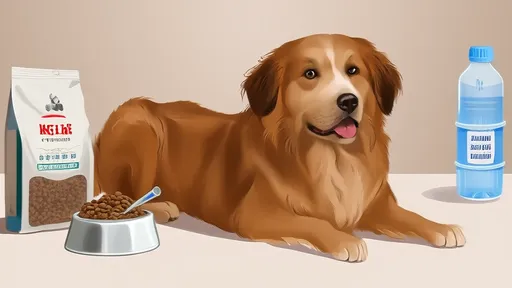
Nutrition and hydration play surprisingly pivotal roles in coat health, with poor diets manifesting as dull, brittle fur that sheds excessively and mats easily. High-quality proteins provide the building blocks for strong hair shafts, while omega fatty acids contribute to the oil production that keeps coats conditioned and manageable. Proper hydration maintains skin elasticity and oil distribution, with even mild dehydration resulting in dry, lackluster coats that tangle with frustrating persistence. Sometimes, excessive shedding or coat problems signal underlying health issues requiring veterinary attention, from thyroid imbalances to allergies that manifest through skin and coat changes long before other symptoms appear.
Transforming grooming from a stressful battle into a bonding ritual requires shifting both mindset and approach. Choose calm, relaxed moments rather than squeezing sessions into hectic routines, creating an environment of patience rather than urgency. Associate brushing with positive experiences through treats, gentle praise, and gradual acclimation to each tool's sensation. Learn to read your dog's body language—the slight tension when hitting a tender spot, the relaxed sigh when finding just the right pressure—and respond accordingly. Many dogs eventually come to enjoy the attention and physical sensation of proper brushing when it ceases to be a painful experience of yanking and pulling.
The investment in proper tools and techniques pays dividends that compound over your companion's lifetime. Beyond the obvious benefits of reduced shedding around the home and improved appearance, consistent grooming provides early detection of lumps, parasites, or skin abnormalities that might otherwise go unnoticed until they become serious concerns. The regular hands-on attention strengthens your bond while familiarizing your pet with handling that makes veterinary exams and emergency situations less stressful. Most importantly, you provide the comfort that comes from a well-maintained coat—freedom from the constant irritation of matting, the ability to properly thermoregulate, and the simple pleasure of moving through the world without carrying excess weight of dead fur.
Standing now with the right tools in hand and understanding in heart, that layer of fur on the floor transforms from frustration to accomplishment—each strand representing not something lost, but something cared for. The gentle rhythm of the brush through fur becomes meditation, the careful attention to detail an act of love, and the properly maintained coat a testament to the commitment between species. This is the truth of double coat maintenance: not a battle against nature's design, but a partnership with it.

By /Aug 20, 2025
By /Aug 20, 2025

By /Aug 20, 2025

By /Aug 20, 2025
By /Aug 20, 2025
By /Aug 20, 2025

By /Aug 20, 2025

By /Aug 20, 2025

By /Aug 20, 2025
By /Aug 20, 2025

By /Aug 20, 2025

By /Aug 20, 2025
By /Aug 20, 2025

By /Aug 20, 2025

By /Aug 20, 2025

By /Aug 20, 2025

By /Aug 20, 2025

By /Aug 20, 2025
By /Aug 20, 2025

By /Aug 20, 2025