Traveling with a pet can be a rewarding experience, but ensuring their safety and comfort during the journey is paramount. One of the most critical aspects of pet travel, particularly by air, is selecting an appropriate travel crate that meets airline standards. The right crate not only complies with regulations but also provides a secure and comfortable environment for your furry companion. With varying requirements across different airlines and countries, understanding how to choose the perfect travel crate can seem daunting. However, by focusing on key factors such as size, material, ventilation, and design, you can make an informed decision that prioritizes your pet’s well-being.
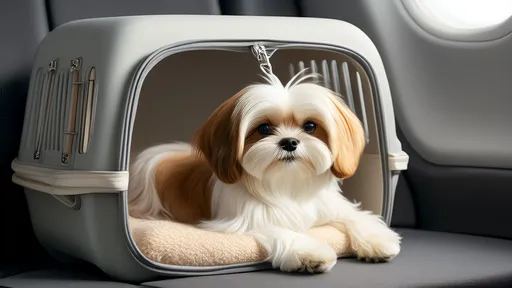
When it comes to selecting a travel crate, size is arguably the most important consideration. A crate that is too small can cause discomfort, stress, and even injury to your pet, while one that is too large may not provide the sense of security animals often seek in enclosed spaces. Airlines have specific size requirements based on the breed and weight of your pet, so it’s essential to measure your pet accurately before making a purchase. Your pet should be able to stand up, turn around, and lie down comfortably inside the crate. Additionally, ensure that the crate fits within the dimensions allowed by the airline you are traveling with, as oversized crates may be rejected at check-in.
The material of the crate plays a significant role in both durability and safety. Most airlines require hard-sided crates made of materials like plastic, fiberglass, or metal, as they offer better protection against impacts and shifting during transit. Soft-sided crates are generally not approved for air travel unless specified by the airline, as they may not provide adequate protection. Look for crates that are sturdy, well-constructed, and resistant to cracking or breaking. The material should also be easy to clean, as accidents can happen during long journeys. A waterproof base or removable tray can make cleaning much simpler and help maintain hygiene.
Ventilation is another critical factor to consider. Proper airflow is essential to prevent overheating and ensure your pet has enough oxygen during the flight. Airlines mandate that crates have ventilation openings on at least two sides, typically on the front and sides. The openings should be large enough to allow sufficient air circulation but small enough to prevent your pet from sticking their head or paws out, which could lead to injury. Mesh panels are commonly used for ventilation, but ensure they are made of strong, chew-resistant material to deter pets from damaging them. Avoid crates with ventilation holes that are too close together, as they may compromise the structural integrity of the crate.
The design and features of the crate can greatly impact your pet’s comfort and safety. Look for crates with secure locking mechanisms that prevent accidental openings during handling. Double-door designs can provide easier access for placing and removing your pet, while also offering additional ventilation. The interior should be smooth and free of sharp edges or protrusions that could cause injury. Some crates come with built-in bowls for food and water, which can be convenient for long flights. However, ensure these bowls are attached securely and do not pose a spillage risk. Adding a comfortable mat or bedding can make the crate more inviting, but avoid materials that could be chewed or ingested.
It’s also important to consider the specific requirements of the airline you are flying with. Different carriers have varying policies regarding crate specifications, so always check their guidelines before purchasing. Some airlines may require additional features such as live animal stickers, identification tags, or specific types of locks. International travel often involves stricter regulations, so if you’re flying overseas, research the requirements of both the departure and arrival countries. Familiarize yourself with the airline’s procedures for pet travel, including check-in times, documentation, and any fees associated with transporting pets. Being well-prepared can prevent last-minute issues and ensure a smooth journey for your pet.
Acclimating your pet to the crate well before the travel date is crucial for reducing anxiety and stress. Start by introducing the crate in a positive manner, allowing your pet to explore it at their own pace. Place familiar items like toys or blankets inside to create a comforting environment. Gradually increase the amount of time your pet spends in the crate, rewarding them with treats and praise for calm behavior. Practice short trips in the car with the crate to simulate the travel experience. This process helps your pet associate the crate with safety and comfort, making the actual journey less stressful for both of you.
In addition to the crate itself, there are several accessories that can enhance your pet’s travel experience. Collapsible water bowls can ensure your pet stays hydrated without taking up too much space. Calming aids such as pheromone sprays or anxiety wraps may help reduce stress during the flight. However, consult your veterinarian before using any sedatives or calming products, as they can sometimes have adverse effects at high altitudes. Proper identification is also essential; attach a tag with your contact information to the crate and consider microchipping your pet for added security. These small steps can make a big difference in ensuring your pet’s safety and comfort.
Finally, always prioritize your pet’s health and well-being when planning air travel. Schedule a visit to the veterinarian to ensure your pet is fit to fly and up-to-date on vaccinations. Discuss any concerns you may have about the journey, and obtain a health certificate if required by the airline. On the day of travel, avoid feeding your pet a large meal beforehand to prevent motion sickness, but provide small amounts of water to keep them hydrated. Arrive at the airport early to allow ample time for check-in and to address any last-minute issues. By taking these precautions, you can help ensure that your pet’s travel experience is as safe and stress-free as possible.
Choosing the right travel crate for your pet is a responsibility that should not be taken lightly. It requires careful consideration of various factors, from size and material to airline-specific requirements. By investing time and effort into selecting a crate that meets all necessary standards, you are not only complying with regulations but also demonstrating your commitment to your pet’s safety and comfort. Remember, a well-chosen crate can make all the difference in ensuring a positive travel experience for your beloved companion. Safe travels!

By /Aug 20, 2025

By /Aug 20, 2025

By /Aug 20, 2025

By /Aug 20, 2025
By /Aug 20, 2025
By /Aug 20, 2025

By /Aug 20, 2025
By /Aug 20, 2025

By /Aug 20, 2025

By /Aug 20, 2025

By /Aug 20, 2025

By /Aug 20, 2025

By /Aug 20, 2025

By /Aug 20, 2025

By /Aug 20, 2025

By /Aug 20, 2025

By /Aug 20, 2025

By /Aug 20, 2025

By /Aug 20, 2025

By /Aug 20, 2025