As pet ownership continues to rise globally, the grooming industry has witnessed remarkable innovations tailored specifically for animal care. Among these advancements, pet dryers have emerged as specialized tools that challenge the conventional use of human hair dryers for drying our furry companions. While at first glance both devices may seem interchangeable—both blow air to accelerate evaporation—the differences in their engineering, functionality, and efficiency reveal why dedicated pet dryers are increasingly becoming the gold standard for professional groomers and conscientious pet owners alike.
The core distinction lies in their fundamental design philosophy. Standard human hair dryers are engineered with a primary focus on speed and heat concentration to quickly style and dry human hair, which is relatively uniform in texture and density. Pet dryers, however, are built to accommodate a vast spectrum of coat types—from the dense double coat of a Siberian Husky to the fine, curly fur of a Poodle. This necessitates a design that emphasizes powerful airflow over intense heat, reducing the risk of thermal injury to the animal’s sensitive skin. The motors in high-end pet dryers are crafted to move a significantly larger volume of air at lower, safer temperatures, making the drying process not only faster but also vastly more comfortable and less stressful for the pet.
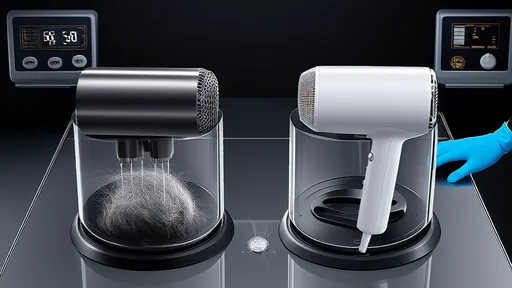
When we delve into the mechanics of drying, the concept of efficiency takes on two facets: time efficiency and thoroughness. A common household blow dryer might seem to dry the top layer of a dog's coat quickly, but it often fails to penetrate the dense undercoat, leading to dampness close to the skin. This can become a breeding ground for bacteria, fungi, and hot spots, ultimately compromising the animal's dermatological health. Professional pet dryers, often referred to as force dryers or high-velocity dryers, operate on a different principle. They utilize a concentrated, high-speed stream of air that effectively parts the hair and pushes moisture away from the skin and out of the entire coat. This method ensures the dog is completely dry from skin to tip in a fraction of the time it would take with a standard dryer, all while using less overall heat energy.
Beyond mere drying, the experience for the animal is a critical differentiator. The high-pitched whine and erratic airflow of a typical human hair dryer can be frightening and anxiety-inducing for many pets. The acoustic engineering of dedicated pet dryers often includes noise-reduction technology, producing a lower, more consistent hum that is less likely to trigger a fear response. Furthermore, the ergonomics are designed for use on a restless, moving animal, with features like flexible hoses and various nozzle attachments that allow a groomer to direct airflow precisely without causing discomfort. This creates a calmer, safer environment, turning a potentially traumatic experience into a manageable, even pleasant, one.
Durability and operational capacity further separate these tools. A consumer-grade hair dryer is built for short, daily bursts of use. Using it to fully dry a large, wet dog places an immense strain on its motor and heating elements, significantly shortening its lifespan and posing a potential overheating hazard. Pet dryers are industrial-grade appliances constructed with heavy-duty motors and components designed to withstand hours of continuous operation in a professional grooming setting. They are investments in both tool longevity and business reliability, capable of handling multiple large-breed dogs in a single day without performance degradation.
Finally, the economic argument extends beyond the initial purchase price. While a pet dryer represents a higher upfront cost compared to a cheap drugstore hair dryer, its superior efficiency translates into tangible savings for business owners. A groomer can complete more appointments in a day when each drying session is cut down from 45 minutes to 15. For the pet owner at home, it means less time spent struggling with a nervous pet and a significantly reduced chance of costly vet visits for skin issues caused by improper drying. The specialized tool, therefore, pays for itself through enhanced productivity, better animal welfare outcomes, and prevention of future problems.
In conclusion, while a standard hair dryer can serve as a makeshift solution in a pinch, it is a fundamentally inadequate tool for the complex task of drying a pet. The specialized engineering of pet dryers—prioritizing high-velocity airflow, animal safety, comfort, and professional-grade durability—makes them unequivocally more efficient. They deliver a faster, safer, and more thorough dry, protecting the health of the animal and providing a better experience for both the pet and the person holding the dryer. For anyone serious about pet care, the choice is clear: the right tool is not a luxury, but a necessity.

By /Aug 20, 2025
By /Aug 20, 2025
By /Aug 20, 2025
By /Aug 20, 2025
By /Aug 20, 2025
By /Aug 20, 2025
By /Aug 20, 2025
By /Aug 20, 2025
By /Aug 20, 2025
By /Aug 20, 2025
By /Aug 20, 2025

By /Aug 20, 2025
By /Aug 20, 2025
By /Aug 20, 2025
By /Aug 20, 2025

By /Aug 20, 2025
By /Aug 20, 2025
By /Aug 20, 2025
By /Aug 20, 2025
By /Aug 20, 2025