In the bustling world of pet care, selecting the right toy for your furry companion is more than just a matter of entertainment; it’s a critical decision impacting their health and well-being. Durability and safety stand as the twin pillars guiding this choice, yet the vast array of materials available on the market can make the selection process daunting for even the most conscientious pet owner. From classic rubber and robust nylon to natural rubber, plush fabrics, and even innovative plastics, each material brings a unique set of properties to the chew-toy showdown.
The conversation around pet toys has evolved significantly. It’s no longer just about what will keep a dog busy for an afternoon; it’s about what will withstand their determined jaws without splintering into hazardous fragments, what is free from toxic chemicals that could leach into their system, and what is designed to last, providing mental stimulation and physical exercise over the long term. This deep dive aims to dissect the pros and cons of the most common toy materials, moving beyond marketing claims to examine the real-world performance and safety profiles that matter to your pet.
Rubber toys, particularly those made from natural rubber or high-quality, food-grade synthetic rubber, have long been a staple in the pet industry. Their inherent flexibility gives them a distinct advantage in durability. They can be compressed and stretched by powerful chewers, often returning to their original shape, which makes them excellent for interactive play like fetch. The material's texture is also beneficial for dental health, helping to clean teeth and massage gums as the dog chews. From a safety perspective, high-quality rubber is generally non-toxic and, crucially, it lacks the hard, unforgiving surface that can lead to tooth fractures—a common and painful injury associated with harder materials. However, the quality spectrum is wide. Inferior rubber compounds can contain fillers or plasticizers that not only reduce durability, leading to pieces being torn off and potentially ingested, but may also introduce harmful chemicals. The key is to seek out reputable brands that specify the use of natural or medical-grade rubber and avoid any products with a strong, chemical odor.
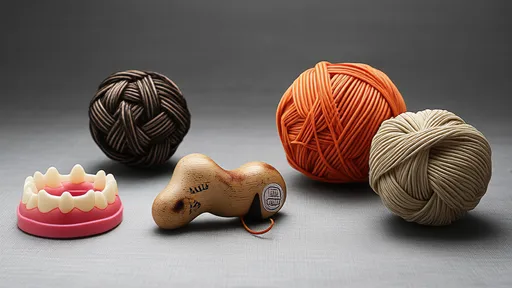
On the opposite end of the hardness spectrum lie nylon and hard plastic toys. These are often marketed as nearly indestructible, designed to challenge the most aggressive chewers. Their extreme hardness is their primary selling point; a well-made nylon bone can last for months, even under constant assault. This longevity can be cost-effective and provides a satisfying outlet for a dog's innate chewing instinct. Nevertheless, this formidable strength is a double-edged sword. The unyielding surface poses a significant risk to dental integrity. Dogs can and do break teeth—specifically the large, important premolars and carnassial teeth—on these hard surfaces, resulting in expensive veterinary dental procedures and considerable pain for the animal. Furthermore, as the toy eventually does wear down, it can shed hard, sharp plastic shards that are dangerous if swallowed. While generally made from inert materials, the safety of these toys is heavily contingent on the dog's chewing style and dental health, making them a poor choice for many.
Rope and fabric toys, typically constructed from cotton, hemp, or synthetic fibers, occupy a different niche. Their initial appeal lies in their softness and versatility; they are perfect for games of tug-of-war and are often inexpensive. The frayed ends of a rope toy can even act as floss, promoting gum health. However, their durability is their greatest weakness. Even moderate chewers can quickly reduce a rope toy to a pile of string and stuffing. This destruction isn't just messy; it's dangerously tempting. Ingested strands of rope or clumps of stuffing can coalesce into a linear foreign body or a blockage within the intestinal tract, a life-threatening condition requiring emergency surgery. The dyes and treatments used on these fabrics can also be a concern if consumed in large quantities. These toys are best used under strict supervision for interactive play and should be removed and discarded at the first sign of significant damage.
Natural options, such as antlers, bones, and hard rubber, have surged in popularity, fueled by a desire for simpler, more "ancestral" products. Proponents argue that these materials are what dogs were meant to chew on, offering unparalleled durability and nutritional benefits in the case of edible chews. A dense elk antler can indeed occupy a powerful chewer for weeks. However, the safety risks are substantial and well-documented. Like nylon, antlers and bones are extremely hard and are a leading cause of slab fractures and broken teeth. They can also splinter into sharp fragments that can perforate the esophagus, stomach, or intestines. Furthermore, these natural products are not regulated, meaning their sourcing and processing are opaque, raising potential concerns about contaminants, parasites, or bacteria. While the appeal is understandable, the potential for severe physical trauma often outweighs the benefits.
The landscape of pet toys is also being reshaped by innovative and composite materials. Thermoplastic rubber (TPR), for instance, attempts to bridge the gap between the softness of rubber and the resilience of plastic. Some companies are experimenting with layers, embedding a tough nylon core within a softer rubber exterior to satisfy the urge to chew while protecting teeth. Other advancements include toys made from recycled materials or infused with antimicrobial agents. While promising, these new entrants require careful vetting. Their long-term durability and safety are not always as proven as those of traditional materials, and consumers must rely on manufacturer transparency and third-party testing.
Ultimately, the quest for the perfect toy is not about finding a single "best" material. It is a nuanced calculation that must account for the individual pet's size, breed, age, chewing intensity, and overall health. A gentle, senior Labrador might thrive with a soft rubber Kong, while a determined young Australian Shepherd might destroy it in an hour. The most important factor is active supervision. No toy is 100% indestructible or safe for every animal. Observing your pet's interaction with a toy provides the best data on its suitability. Look for signs of wear, discourage destructive chewing habits, and remove a toy the moment it becomes damaged. Your vigilance, paired with a informed understanding of material science, is the ultimate guarantee of your pet's safety and enjoyment.

By /Aug 20, 2025
By /Aug 20, 2025

By /Aug 20, 2025

By /Aug 20, 2025

By /Aug 20, 2025
By /Aug 20, 2025

By /Aug 20, 2025

By /Aug 20, 2025

By /Aug 20, 2025

By /Aug 20, 2025

By /Aug 20, 2025

By /Aug 20, 2025

By /Aug 20, 2025

By /Aug 20, 2025

By /Aug 20, 2025

By /Aug 20, 2025
By /Aug 20, 2025

By /Aug 20, 2025

By /Aug 20, 2025
By /Aug 20, 2025